When a woman’s uterus needs to be removed because of fibroid tumors, heavy bleeding, cancer or other uterine issues, a hysterectomy can be an option to treat the condition by removing the uterus. Because the uterus is removed surgically, the patient can expect to require 2-8 weeks to recover depending on the type of hysterectomy.
Indications for Hysterectomy
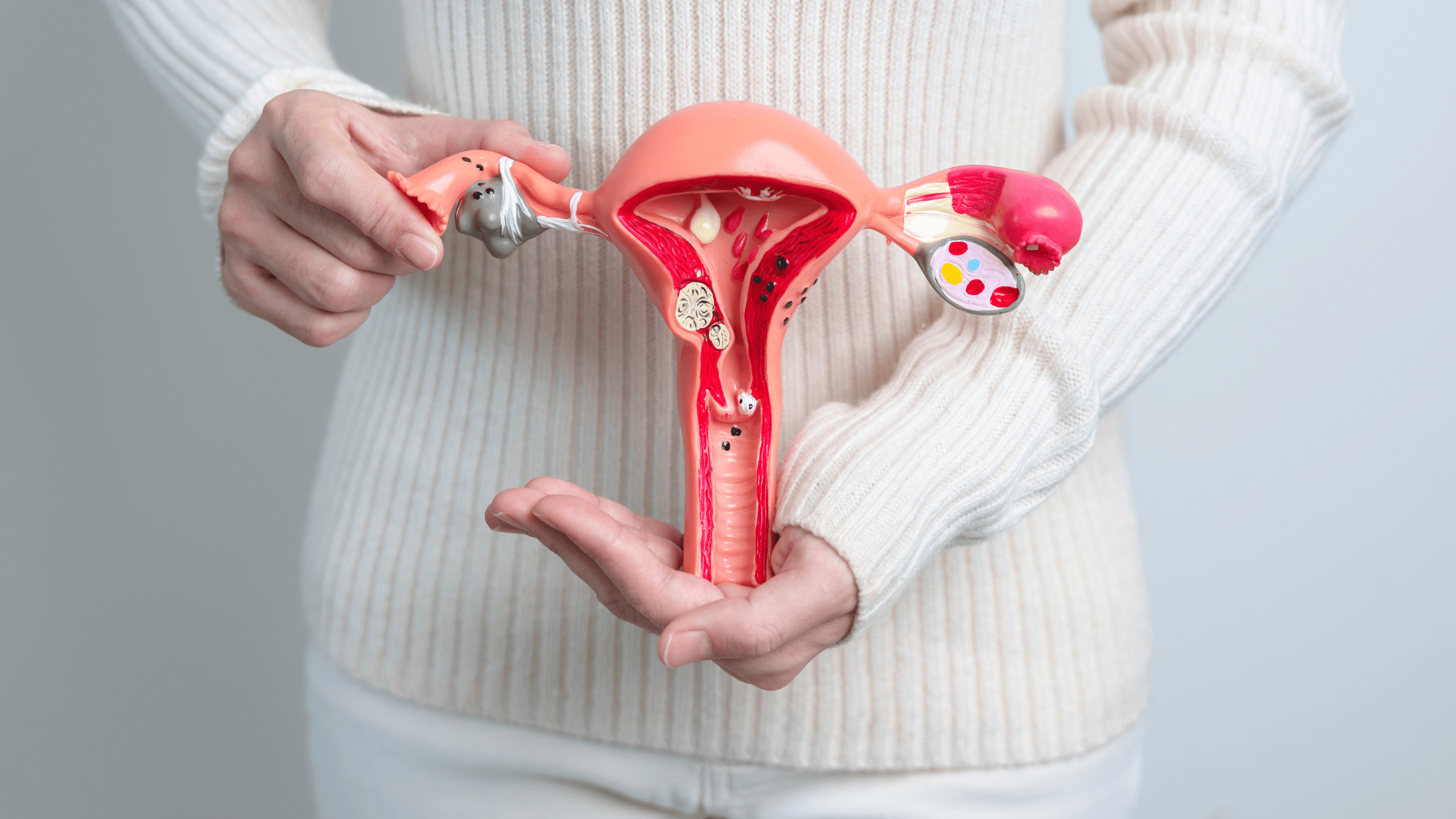
- Uterine fibroids are muscular tumors that develop in the wall of the uterus. They are typically benign. The fibroids can be tiny in size like an apple seed or grow larger like a grapefruit.
- Endometriosis occurs when endometrial tissue grows outside the uterus which can cause pain and make it difficult to become pregnant. Endometriosis is most commonly found in the ovaries, fallopian tubes, the tissues that construct the uterus or the outer area of the uterus.
- Cancer or precancer of the uterus, cervix or ovaries could lead to a hysterectomy to remove the cancerous cells from your body.
- Uterine prolapse is when the uterus falls down into the vagina which can lead to problems with urination and bowel movements and pelvic pressure. A uterine prolapse commonly affects women who have had an injury to the muscles of the pelvic floor. The main cause is childbearing. Other causes can be prior pelvic surgery, menopause, obesity and extreme physical activity.
- Abnormal vaginal bleeding can be secondary to fibroids, uterine polyps, cancer, an infection or a change in hormone levels.
Myths
There are common myths about having a hysterectomy, but it’s important to know all the facts before having surgery. Discuss any worries with your doctor before the procedure so your questions are answered from an educated, experienced source.
- Major Surgery There are different approaches to having a hysterectomy such as abdominal, vaginal, laparoscopic and robotic. Your gynecologist can decide the best course to take based on your situation. Minimally invasive surgery is preferred when it is feasible due to its fast recovery time.
- Activate Menopause In most cases, a hysterectomy will not result in menopause as long as the ovaries are not removed during the surgery. Discuss the possibility of removing ovaries with your gynecologist prior to your hysterectomy.
- Lengthy Recovery Time Depending on what approach is taken during the hysterectomy, your recovery time can vary, but in general, women are discharged from the hospital after 0-3 days and are feeling back to normal after 2 weeks of surgery.
- Only Way to Relieve Symptoms You should talk to your doctor about the severity of your situation and if there are other options such as medications if you are not ready for surgery.
Different Approaches for a Hysterectomy
Based on your medical history and doctor’s recommendation, there are a few options for how a hysterectomy is performed. Each has a different technique but may have different recovery times.
- Abdominal “Open” Used in cases where there are large tumors, severe scarring or if the cancer is widely spread, the abdominal hysterectomy will involve an incision in the stomach’s lower area where the uterus will be extracted from. Typically, the patient will stay in the hospital 1-2 days and need to take 4-6 weeks of time off work.
- Vaginal The entire surgery is performed through the vagina resulting in fewer external scars. This is most commonly done in cases of prolapse. Usually, a patient will be discharged the day after the surgery and will need to take 4-8 weeks off of work.
- Laparoscopic A video camera with long surgical instruments will be inserted to remove the uterus. Generally, the patient will stay one night in the hospital and need to have 2-6 weeks off from work.
- Robotic The surgeon will operate with remote hand controls laparoscopically to remove the uterus. The patient may stay the night in the hospital or may be discharged home after the surgery and need 2-6 weeks off work to recover from a robotic hysterectomy.
What to Expect
After your procedure, you will be prescribed medication to help alleviate any pain you feel. As soon as you are able, you can start to move around. It is recommended to not exercise heavily or lift anything over 10 pounds. and to not have vaginal intercourse until after cleared, usually six weeks of recovery time.
West Des Moines OBGYN uses the enhanced recovery after surgery (ERAS) protocol with the minimally invasive technique with the robot, so our patients can go home the same day as their surgery. This protocol allows our team to track fluid intake prior to surgery and have specific preoperative medications that help with pain control so our patients have a faster recovery to return home. Schedule an appointment with us to experience the difference.