Dripping. Leaking. A little when you sneeze, cough, or laugh. Whatever you call it, the medical community calls it urinary incontinence, and it can be caused or aggravated by what you eat and drink, medications, urinary tract infections (UTI), pregnancy, menopause, or neurological disorders. Different types of incontinence can be either temporary or long-term, and sometimes, it is associated with serious medical conditions.
Any type of urinary incontinence can be embarrassing, but you should know that you are not alone. Many women experience a little leaking of urine, and there are many products available to discreetly take care of the problem. However, it is important that you talk to your doctor about what you’re experiencing so the cause can be identified. Exercises, dietary modifications, and maintaining a healthy weight can help in many cases.
Sometimes, incontinence is caused by an obstruction, such as a bladder stone or tumor. That is why you should address incontinence with your doctor rather than just buying products to deal with the problem. In older individuals, incontinence can be associated with a higher risk of falls as the person hurries to get to the bathroom—another problem it is important to avoid.
Short-Term Incontinence
Temporary incontinence in the form of dripping or leaking urine can be caused by certain medications, foods, beverages, and vitamins. Alcoholic beverages are a common culprit, and large doses of vitamin C can also cause you to lose control of your bladder.
The following foods and beverages stimulate the bladder and can increase the amount of urine you process. This can overload the bladder and make it hard to “hold it.”
- Spicy, sugary, and acidic foods
- Chocolate
- Artificial sweeteners
- Alcohol
- Carbonated and caffeinated drinks
If your diet includes a lot of these types of items, consider cutting back to improve your urinary health.
Constipation and UTIs can also cause some leakage. If you’ve ever had a UTI, you likely know how your bladder can cause frequent, urgent trips to the restroom. What you might not know is that incontinence can increase the risk of repeat UTIs, so it’s a problem that can, unfortunately, escalate. And, when constipated, the nerves in the rectum become overstimulated and can trigger a need to go #1 more often.
Pregnancy, Childbirth, and Menopause
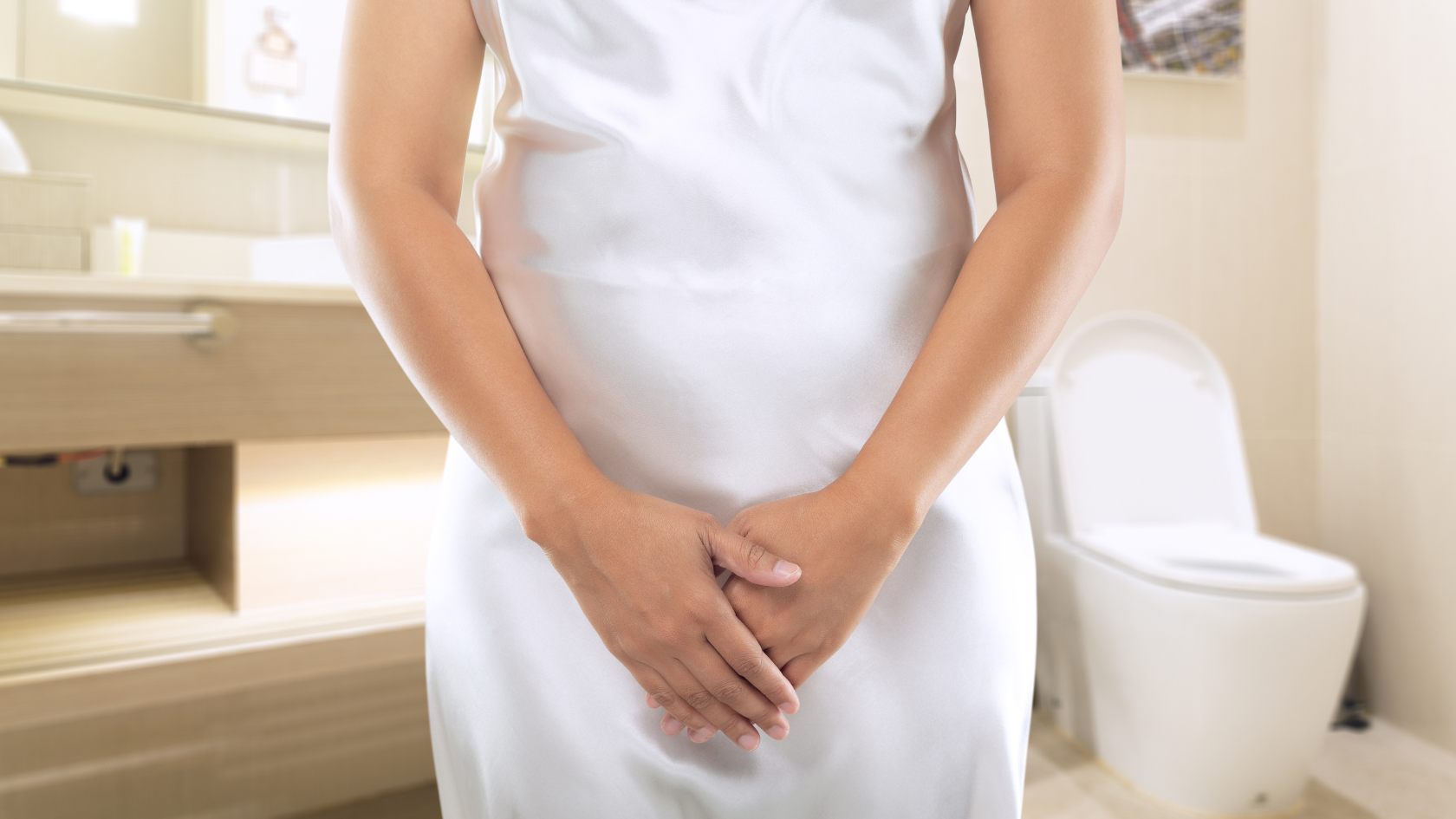
Between the hormonal changes and the pressure your baby puts on your bladder, you might experience what doctors call stress incontinence during your pregnancy or after giving birth. Hormones change, loosening muscles and other tissues throughout your body. Plus, the physical strain of childbirth can weaken muscles in the pelvic floor.
Later in life, menopause reduces estrogen levels. Estrogen has a role in maintaining the bladder and urethra in a healthy state, so when hormone levels drop, you can experience incontinence.
Excess weight can also contribute to leaking, and over the years, the pounds can easily add up. Maintaining a healthy diet and regular exercise may help you avoid incontinence related to weight.
Why Should I Care About My Bladder Control Problem?
Women often live with incontinence without seeking help. This problem can lead to decreased socialization, decreased quality of life, and depression. Whether you have the involuntary loss of large or small amounts of urine, we help women take control of their urinary incontinence and get specialized treatment.
Incontinence Treatment
If bladder leaks have you running to the store for leak pads every week, talk to your OBGYN. There are many paths of treatment for urinary incontinence, ranging from pelvic floor exercises to medications to surgical procedures.
When you visit your doctor, take note of your medications, supplements, and diet, and let her know any trends you notice. Does it only happen when you laugh, cough, or sneeze? Do certain foods precede leakage? Were you also constipated when leaks occur? Does it help the matter when you schedule your visits to the bathroom every 2 hours?
In addition to changing what you eat and drink, pelvic floor exercises may help with minor leakage. Your doctor can advise you on how to exercise the muscles in the pelvic floor to strengthen them. Simple contractions of the muscles you use to stop urinating could help avoid dripping and leaking by strengthening the pelvic area.
Other possible incontinence treatment options include medications, medical devices, therapies, and surgical procedures. Topical estrogen, applied as a cream, can help tone pelvic floor muscles, and other targeted prescriptions can help with overactive bladder and other forms of incontinence. A fairly common surgical procedure is the sling, which helps keep the urethra closed, even if you cough or sneeze.
While it isn’t normal to pee when you laugh, it is relatively common. See your OBGYN to learn more about bladder leakage and get appropriate incontinence treatment.